
THE EVERYDAY GROWING GUIDE
20-20-20Balanced nutrition.
Everyday growth.
A water-soluble fertilizer for general feeding during active growth.
Explore the guide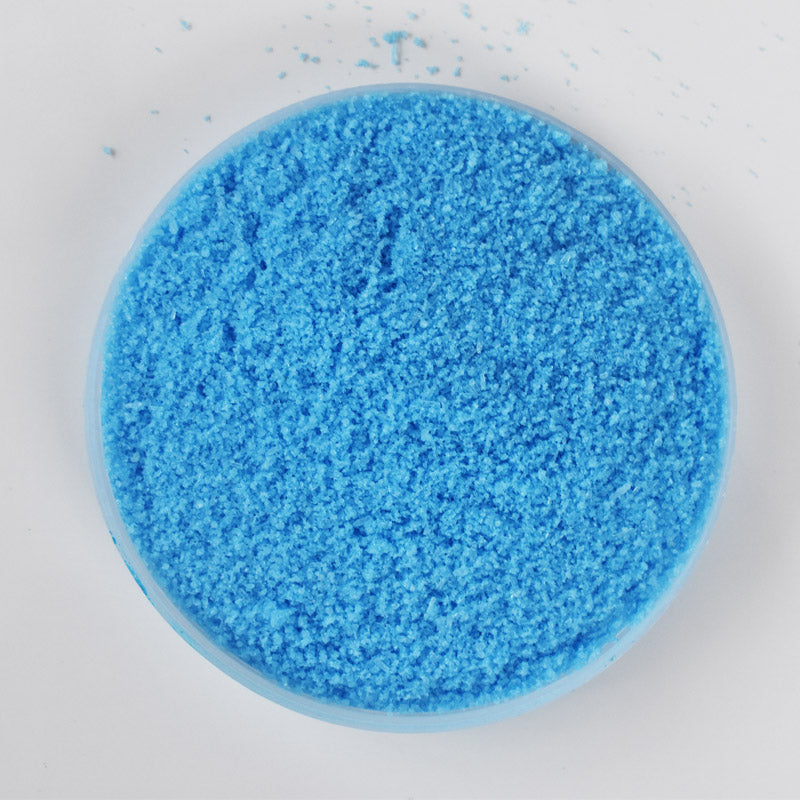
01 / UNDERSTAND
What is 20-20-20?
The three numbers describe the fertilizer’s nutrient analysis. Each nutrient plays a different part in plant growth.
N
Nitrogen
Supports healthy leafy growth and vegetative development.
LEAVES & GROWTHP₂O₅
Phosphate
Supports energy transfer, root development and reproductive growth.
ROOTS & ENERGYK₂O
Potash
Supports water regulation and overall plant function.
BALANCE & FUNCTIONNPK percentages are expressed as nitrogen (N), available phosphate (P₂O₅) and soluble potash (K₂O) by weight.
What are you growing?
For garden beds and containers where general feeding is appropriate. Match the programme to your plant and growing conditions.
02 / MEASURE
How much to apply
Start with the concentration. Then follow the mixing steps below.
REFERENCE MIX
Approximately 1 tsp per 1 US gallon.
Dissolve 5 g of fertilizer, then top up with water to make 4 L of final solution.
1 US gallon = 3.785 litres. A US gallon is smaller than an Imperial gallon.
Use the metric measurement for accuracy. Teaspoon weight varies by fertilizer; the spoon/gallon measure is approximate. Confirm this reference recipe with your exact product label.
How much solution per plant? The mixing ratio does not specify that. Follow the label’s application volume for your plant or area; container size, growing medium and moisture conditions matter.
03 / APPLY
How to apply
Use the amount and final solution volume specified for your exact product. Measure accurately, then mix thoroughly.
- 01
Start with water
Add about half the required water to a clean watering container.
- 02
Measure & add
Measure 5 g per 4 L of final solution (approximately 1 tsp per 1 US gallon). Add it to the water.
- 03
Stir & top up
Stir until dissolved. Add water to reach the intended final solution volume.
- 04
Water the root zone
Distribute the prepared solution evenly. Avoid letting excess solution collect repeatedly in saucers.
Even application. Thoughtful feeding.
Consider existing fertilizer in your growing mix when planning the next feed.
04 / TIMING
When to apply
Reference interval: every 1-2 weeks while growing actively. Match the interval to your product label and existing feeding programme.
Reduce feeding when growth slows, including houseplants receiving less winter light.
Water according to the plant?s moisture needs. Feeding and watering do not need to happen on the same schedule.
05 / GOOD HABITS
Tips & things to avoid
Helpful habits
- Measure accurately. Use a scale or the teaspoon/scoop measure confirmed on your product label.
- Check the growing medium. Apply to moist soil when appropriate for the product and plant.
- Keep a simple record. Note the date, concentration and fertilizer used.
- Consider the whole programme. Include nutrients already present in potting mix or other feeds.
Things to avoid
- Do not increase strength to fix slow growth. Check light, watering, temperature and roots first.
- Avoid unnecessary feeding during severe stress. Identify the cause before adding more fertilizer.
- Do not leave solution collecting in saucers. Allow containers to drain appropriately.
- Do not assume a root feed is a leaf spray. Foliar use needs its own label directions.
06 / QUICK ANSWERS
Common questions
Can I use it for indoor plants?
It can suit general feeding when the product label covers your plant and application. Feed during active growth and reduce feeding as indoor growth slows.
Can I use it for tomatoes and flowers?
It can provide general nutrition where suitable. Review the crop’s needs as it develops, but flowering or fruiting alone does not automatically require a different fertilizer.
Should I use it every time I water?
Not according to the reference programme in this guide. Watering frequency and feeding frequency are different. Follow the product label and consider the nutrients already being supplied.
Will a stronger mix help a weak plant?
Not necessarily. Poor light, too much or too little water, root problems, temperature, pests and disease can all slow growth. More fertilizer can make some problems worse.
Can I measure with a teaspoon?
Yes, if your product label provides a teaspoon or scoop measure. The roughly 1 teaspoon shown here is an estimate from the draft, not a fixed conversion: powders and crystals have different densities. Use a scale when that measure is not confirmed.
07 / RELATED GUIDES
Need a more targeted nutrient?
Choose a targeted product for an identified need—not simply because a plant looks weak.
Considering potassium nitrate for additional potassium and nitrogen? Ask us about suitability.
GROW BETTER. TOGETHER.
Not sure what your plant needs?
Tell us what you are growing, the growing conditions, and which products you already use. A photo of the plant and product label helps.
General growing references: UMN Extension: fertilizer analyses and nutrient planning. Product-specific application rates must be confirmed from the matching label.